



By late autumn, the herb garden begins to quiet. The lavender has been cut. Rosemary has grown woody and fragrant. The last roses have faded. Citrus begins appearing in the kitchen. And suddenly the garden offers us one more project before winter: potpourri.
Not the aggressively perfumed bowls many of us remember from years ago. A true herbal potpourri can smell like the garden itself - lavender, rosemary, citrus peel, spice and dried flowers - subtle enough to live on a bedside table, in a linen cupboard or beside the front door.
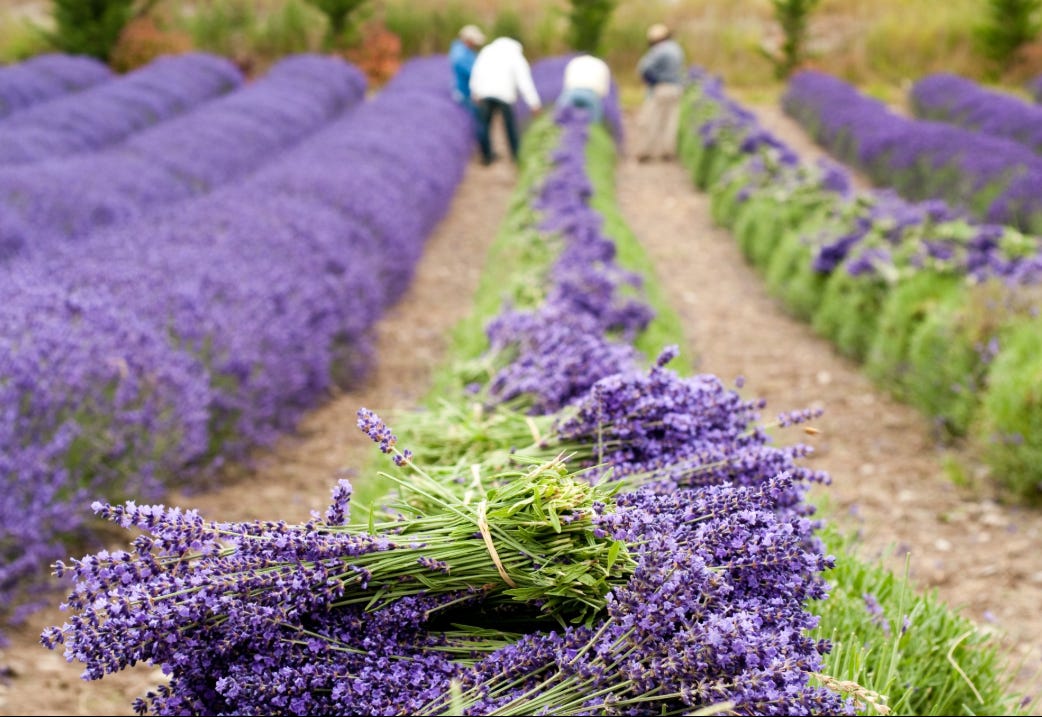
Why Lavender Makes the Perfect Base
Dried lavender buds are nearly ideal for potpourri. They hold their fragrance remarkably well, provide beautiful texture, and blend easily with woody herbs, citrus and warm spices.
Loose buds that are not quite perfect enough for dried bouquets are especially useful here. They may not be visually flawless, but their fragrance can still be extraordinary.
The Simples & Worts Autumn Blend
· 1 cup dried lavender buds
· 1 cup dried rose petals or small dried rosebuds
· 1/2 cup dried orange slices or coarse dried orange peel
· 1/2 cup dried rosemary leaves or small sprigs
· 1/4 cup dried lemon verbena, lemon balm or mint
· 3 cinnamon sticks, broken into attractive pieces
· 1 tablespoon whole cloves
· 1 tablespoon whole allspice berries
· 3 or 4 star anise pods
· A handful of small pinecones, seed pods or acorns for texture
· 2 tablespoons orris root powder, optional
· 6-10 drops lavender essential oil
· 3-5 drops sweet orange essential oil, optional
The exact recipe is not sacred. Potpourri has always been partly an exercise in using what the garden and pantry provide. The important balance is flowers + herbs + citrus + spice + texture + fragrance.

First: Dry Everything Completely
Any moisture trapped in flowers, citrus or herbs can encourage mold. Lavender, rosemary and other herbs can be tied into small bundles and hung in a warm, dark, well-ventilated place. Petals can be spread in a single layer. Orange slices should be sliced thinly and dried thoroughly in a dehydrator or very low oven.
What Is Orris Root?
Traditional potpourri makers often use orris root, the dried rhizome of certain iris species. Its purpose here is as a fixative: it helps absorb and hold fragrant oils so the finished potpourri retains its scent longer. About 2 tablespoons for 4 cups of dried botanicals is plenty.

Make the Potpourri
Place all of the completely dried flowers, lavender, herbs, citrus and spices into a large glass or ceramic bowl. Mix gently with your hands. Try not to crush the decorative ingredients.
In a small separate bowl, combine the orris root powder with the essential oils. Stir thoroughly. Sprinkle that mixture over the botanicals and toss gently again.
Place the mixture in a tightly closed glass jar or other airtight container. Store it in a cool, dark cupboard for 2-4 weeks. Shake or turn the container gently every few days. During this curing period, the individual fragrances soften and begin to blend.
The Autumn Fragrance
The lavender should still be recognizable, with rosemary adding something woody and green, orange bringing brightness, cinnamon and clove bringing warmth, and rose softening the whole mixture.
The goal: herbal first, autumn second, sweet only in the background. We are making something that smells like an old herb garden in October - not a pumpkin-spice candle.

A Simples & Worts Maker Table
Set out bowls of lavender buds, rose petals, rosemary, orange slices, cinnamon, cloves, star anise, seed pods and small pinecones. Give each guest a bowl and let her create a personal autumn blend.
Three Fragrance Directions
· The Lavender Garden - more lavender, rose and lemon verbena.
· The Autumn Kitchen - orange, cinnamon, clove and rosemary.
· The Woodland Apothecary - lavender, rosemary, pinecones, woodland notes and a little citrus.
A Roadstead Farms Signature Variation
Lavender, Apple & Rosemary
· lavender buds
· very thin dried apple slices
· rosemary
· rose petals
· cinnamon
· cloves
The apple contributes more visual beauty than fragrance, while rosemary and lavender keep the mixture from becoming overly sweet. This may be our favorite blend for an October or Thanksgiving table.

A Note on Essential Oils
More is not better. Good herbal potpourri should be discovered. Start with only a few drops, let the mixture cure, then decide whether it needs more. An older batch can always be refreshed later.

The Final Touch
A homemade potpourri feels different when you can identify where the ingredients came from. Perhaps the lavender was harvested in July, the rosemary came from the herb bed, the roses bloomed beside the garden path, and the apples came from a nearby orchard.
It does not merely fragrance a room. It preserves a season.
SIMPLES & WORTS MAKER CARD
· Project: Autumn Lavender Potpourri
· Difficulty: Easy
· Maker time: About 20 minutes, plus drying and curing
· Cure time: 2-4 weeks
· Featured herb: Lavender
· Supporting herbs: Rosemary, lemon verbena or mint
· Best season: September-November
· Best uses: Bowls, sachets, hostess gifts and holiday gifts
· Key rule: All plant material must be completely dry before mixing.