
Can You Identify These Two Unusual Plants?
Today’s Simples & Worts challenge features two striking plants from very different botanical families.
Study both photographs before selecting your answers.
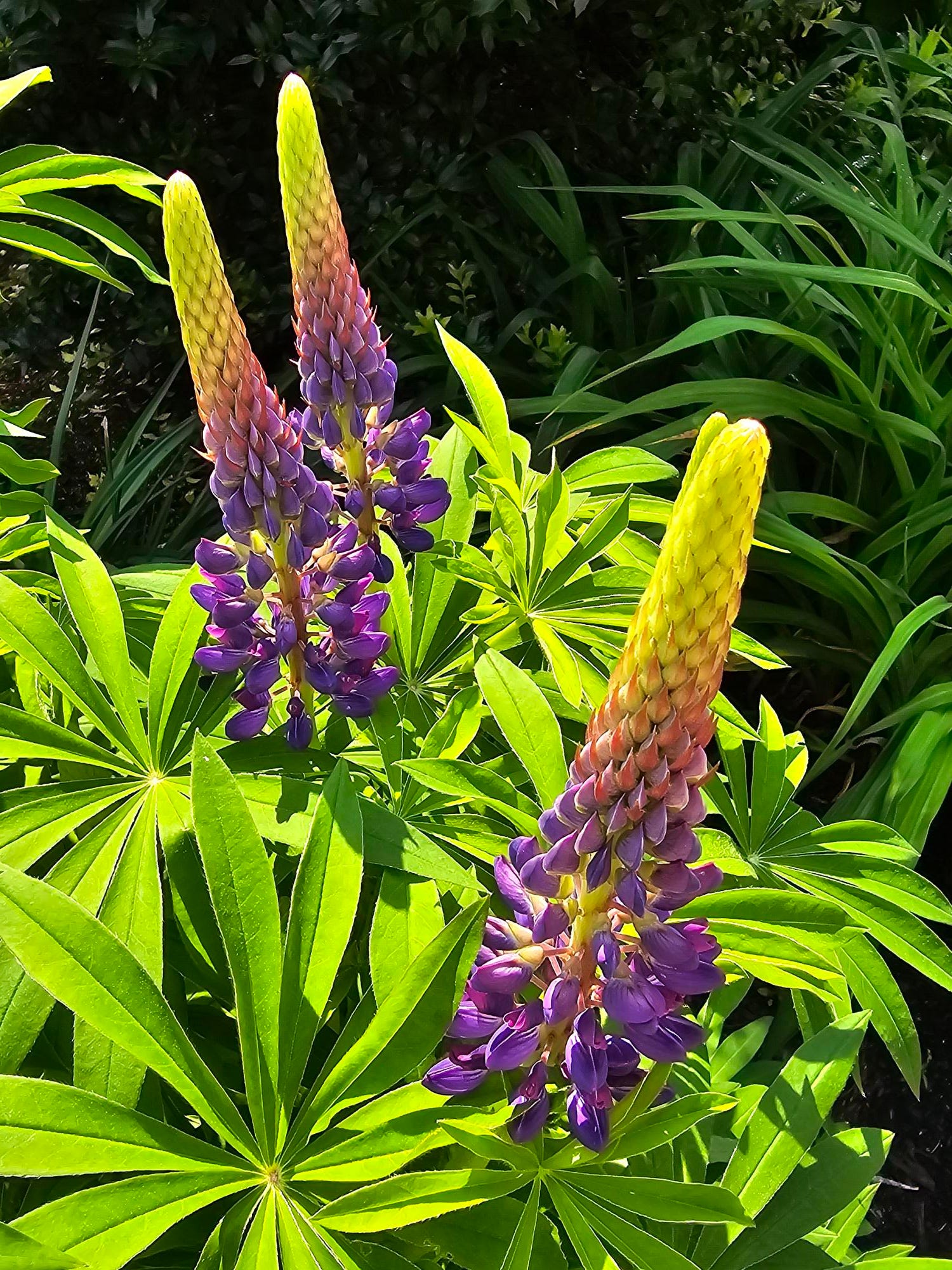
Plant No. 1 (shown above)
This dramatic perennial produces tall towers of pea-like flowers above distinctive, palm-shaped leaves. It belongs to the legume family and may contribute nitrogen to the surrounding soil.
Is it:
A. Delphinium
B. Foxglove
C. Lupine
D. Baptisia
Plant No. 2
This intensely aromatic citrus produces unusually rough, knobby green fruit. Its fragrant leaves and rind are prized in Southeast Asian cooking.
Is it:
A. Bergamot orange
B. Makrut lime
C. Key lime
D. Osage orange
Bonus Question No. 1
Which plant is responsible for the distinctive citrus flavor traditionally associated with Earl Grey tea?
A. Plant No. 1
B. Plant No. 2
C. Neither—true bergamot orange is a different citrus
D. Both plants
Bonus Question No. 2: Are Either of These Plants Herbs?
A. Plant No. 1 only
B. Plant No. 2 only
C. Both plants
D. Neither plant
E. It depends on how we define “herb”
Post your four answers below before reading anyone else’s!
Until next time...
I am...
Phil Wilson...
and Here’s to sharing our herbal life-style with you!
Don’t Peek!
Answer Key
Plant No. 1: C — Lupine
This is a lupine, probably a Russell hybrid garden lupine. Lupines belong to the legume family and are known for their colorful flower towers and palm-shaped foliage.
Please admire this lupine rather than sampling it. Many lupines contain toxic alkaloids in their seeds and other plant parts.
Plant No. 2: B — Makrut Lime
Based on its deeply wrinkled fruit, this appears to be a makrut lime rather than a true bergamot orange. Makrut lime leaves and rind are valued for their intense citrus fragrance and culinary uses.
Bonus No. 1: C — Neither
Earl Grey tea is traditionally flavored with oil from the rind of the true bergamot orange. The heavily wrinkled fruit pictured here appears to be a different citrus.
Bonus No. 2: E — It Depends!
Lupine is botanically an herbaceous plant because it develops nonwoody stems. However, it is not normally considered a culinary herb and may be toxic.
Makrut lime is a woody citrus tree, so botanically it is not an herb. Nevertheless, its aromatic leaves are used like a culinary herb.
Each plant can therefore be associated with the word “herb”—but for completely different reasons. Neither should automatically be considered a safe edible herb.


