



Historical fiction. Abigail, Samuel, Mercy and Ruth are invented characters. Their Wampanoag friend is fictional; the knowledge he shares is based on documented Wampanoag foodways and plant use.
Samuel had been sent for lettuce.
This should have been simple.
His mother wanted a sallet for supper. Mercy carried the basket. Ruth had been told - twice - that a basket was not a hat.
They had barely reached the garden gate when their Wampanoag friend looked into the basket and then at the English lettuce.
“That is all?” he asked.
Samuel straightened. “It is lettuce.”
“I can see that.”
Mercy narrowed her eyes. “What is wrong with it?”
He smiled. “Nothing. I only wondered why you walked past supper to reach it.”
Beyond the Beds
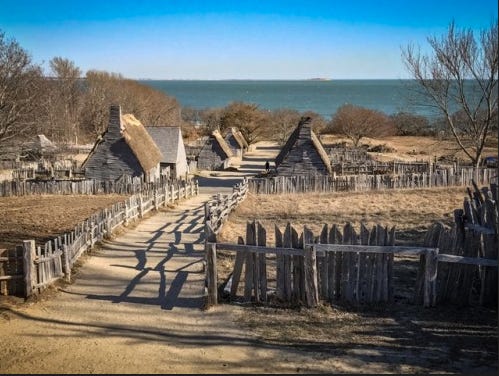
He led them past the neat English beds, beyond the fence, and toward ground Samuel had always considered merely untidy.
“This is not a garden,” Samuel said.
Their friend stopped.
“Who told you?”
That silenced him.
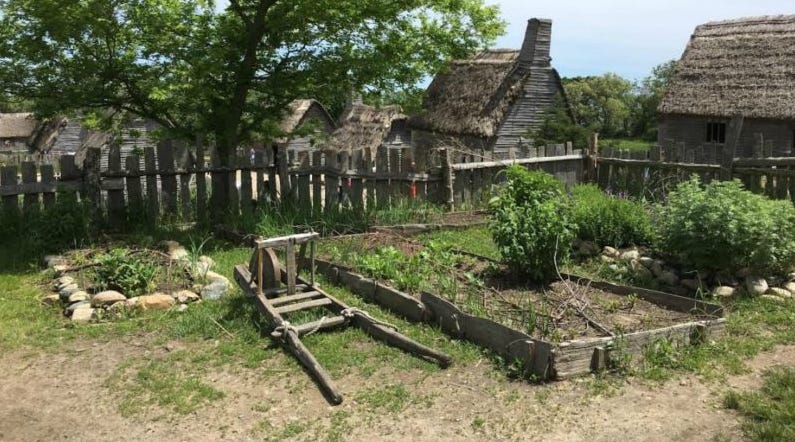
The English garden was order: straight beds, paths, herbs in their appointed places. The landscape beyond it looked disorderly only because Samuel did not yet know what he was seeing.
The First Rule
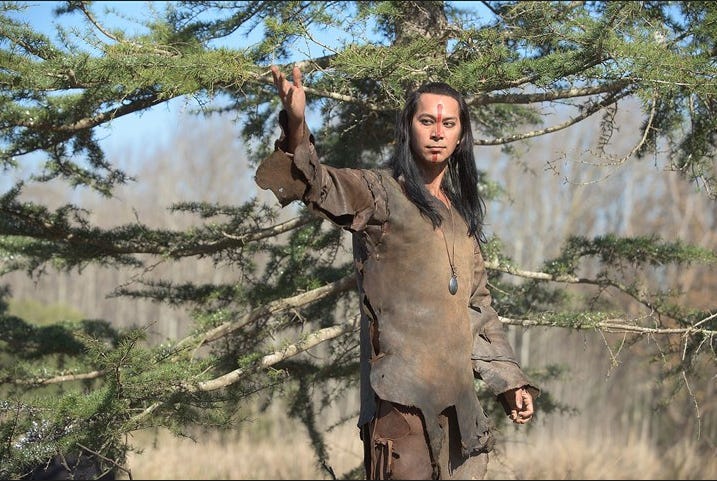
Their friend crouched beside a patch of green leaves.
Ruth reached for one.
His hand stopped hers.
“First rule.”
Ruth froze.
“You do not eat a plant because you think you know it.”
Mercy nodded solemnly.
Samuel asked, “What if I am nearly certain?”
“Then you are nearly hungry.”
Mercy laughed so hard she dropped the basket.
When Abigail later heard the story, she approved immediately.
“We may laugh while we work,” she said. “We do not guess with plants.”
A Different Kind of Sallet
Their friend showed them chenopodium - goosefoot-like greens that Wampanoag women knew and used. He pointed out wild onion and explained where other seasonal greens and edible plants could be found.
He also showed them what not to gather.
That part interested Abigail most when the children returned.
“Tell me what he told you not to touch.”
Samuel looked disappointed. “I thought you wanted supper.”
“I want supper tomorrow as well.”

Ruth’s Magnificent Harvest
Ruth had filled her apron while no one was looking.
She poured her treasures onto the table.
A leaf. A twig. Three stones. A feather. Something Samuel insisted had once belonged to a beetle.
Abigail looked at the pile.
“Which of these did he say we could eat?”
Ruth considered.
“The basket?”
Even Samuel laughed.

The Supper Experiment
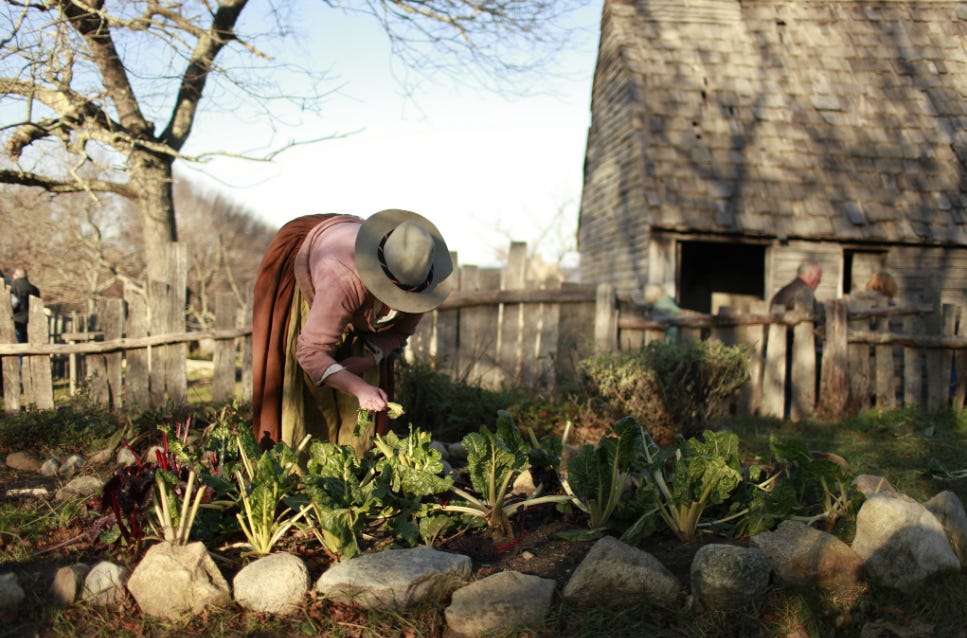
Abigail washed the approved greens carefully. She added some of her own lettuce and a few cultivated herbs.
A little vinegar sharpened the bowl. A pinch of salt. Nothing elaborate.
Samuel tasted it suspiciously.
“It tastes like the garden.”
Their friend, who had joined them, shook his head.
“No. The garden tastes like this.”
For once Samuel had no answer.
What They Learned
The sallet was not important because it was exotic.
It was important because the children had learned that abundance could be invisible to someone who did not know the land.
Their English garden held useful plants brought from across the ocean. Their Wampanoag neighbors carried generations of knowledge about the land already beneath everyone’s feet.
Knowing one did not make the other foolish.
Knowing both made the household stronger.

The Rule for the Road
Before bed Abigail made the children repeat the rule.
Mercy: “Never eat a wild plant unless someone who truly knows it identifies it.”
Samuel: “Do not decide by smell alone.”
Ruth: “Do not eat stones.”
Abigail closed her eyes.
“Good enough for tonight.”
SIMPLES & WORTS FIELD NOTE
· Theme: Wild greens, local knowledge and household resilience
· Key lesson: The landscape can be productive without looking like an English garden
· Safety rule: Never forage from a story, photograph or single field-guide description
· Modern practice: Learn from a qualified local forager or authoritative regional expert
· Abigail’s rule: We may laugh while we work. We do not guess with plants.
Historical Grounding & Modern Safety
This story is historical fiction. The family and conversations are invented. The foodways and garden details are grounded in museum, National Park Service, and modern food-safety guidance. The story does not claim that the fictional combined dishes were documented Wampanoag recipes.
Plimoth Patuxet Museums documents Wampanoag use and sharing of chenopodium and other native plants, and notes wild onions and watercress among available foods.
Plimoth Patuxet Museums: https://plimoth.org/events/lunch-learn-just-across-the-brook
Plimoth Patuxet Museums: https://plimoth.org/yath/unit-4/what-did-they-eat-at-the-1621-harvest-celebration